Stone Veneer Sealing – Protecting and Preserving Your Stone Surfaces
Veneer stone has taken the position of one of the most preferred materials in terms of interior and exterior design where one can have the beauty of natural stone with a fraction of the price. Although manufactured and natural stone veneer offers an equal amount of durability and appeal, they remain susceptible to moisture, staining, and weather effects when untreated.
Stone veneer sealing is very crucial here. Using the appropriate sealant would save the investment of the homeowners, prolong the life of the stone, and ensure that the original appearance of this material can be preserved over the next few years.
Manufactured Stone Sealing: Why It’s Essential for Longevity
Stone manufactured is porous as compared to natural stones that have been designed to resemble natural stone appearance. Unless stone sealing is made, water may creep in and lead to severe challenges, such as cracking, mould, and early decay.
The sealer used is of high quality which serves as a protective element, it does not allow the surface to be wet. Sealing also serves to increase the longevity as well as aid the maintenance of the color and touch of the manufactured stone, so that it would still appear lively and natural with time.
How to Seal Stone Veneer Siding for Maximum Protection
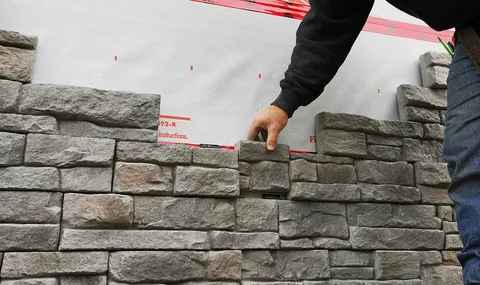
Stone veneer exterior siding is extremely elegant on any house, though as it is exposed to every kind of weather, it ultimately needs to be sealed. In order to seal stone veneer siding in a proper way, one should firstly clean the surface to take all the dirt, debris, and any former coats.
A breathable sealer is to be applied evenly on the surface by rubbing once it is dry. This enables the water not to absorb but rather enables the stone to release the confined moisture, which lowers the chances of being damaged by freeze-thaw cycle. The siding is maintained and safeguarded by regular inspection and reapplication after every few years.
Waterproofing Stacked Stone: Methods to Keep Moisture Out
The use of stacked stone walls, both indoors and outdoors of the house, may prove especially susceptible to moisture damage in case the walls are not closed. The process of waterproofing stacked stone is done by applying a penetrating sealer that penetrates deep into the surface and not creating a film on the top surface.
This kind of sealer is quick and efficient in keeping water away, staining as well as the possibility of the formation of moulds and mildews. Grout lines should also be considered by the homeowners, as these may be more absorbent and therefore require additional sealing to make the level of protection uniform.
Ways to Prevent Efflorescence on Stone and Keep It Looking New
Efflorescence is one of the most widespread issues that homeowners have to deal with because it occurs in the form of a white and powdery layer formed when salts are pulled to the surface with the help of moisture. Luckily, stone veneer sealing is a significant way of stopping efflorescence.
Through application of the appropriate sealer, water uptake is minimized making it hard to allow salts to move and form on the surface. Also, efficient drainage of the area surrounding the stone and prevention of the use of harsh cleaning chemicals can also help to minimize the possibility of efflorescence, keeping the surface of the stone, which looks fresh and natural.
Step-by-Step Guide to Applying Sealant on Stone Veneer
Stone veneer can be sealed as a DIY project as long as one approaches it so. To begin with, the stone should be washed and left to dry. The second step is to choose a good sealer that is suitable to the particular stone veneer.
Apply the sealer using a brush, roller or sprayer, and spread it evenly on the surface and mostly along the sides and grout lines. Let it dry first then put on a second coat as advised. Lastly, dry the surface as directed by the manufacturer then expose it to moisture. After such stone veneering procedure, maximum protection is guaranteed.
Common Mistakes in Stone Veneer Sealing and How to Avoid Them
Sealing of the stone veneer is another mistake many homeowners commit, and this may affect the results. The mistake that is often made is the incorrect type of sealer used like film forming sealer that does not allow the stone to breathe, it traps moisture. The second error is that the surface should not be left dirty before the application as this will not allow the sealer to bond accordingly.
Oversights in the routine maintenance and resealing exposes the stone to damages as well. These problems can be prevented by selecting a penetrating sealer that is breathable, adhering to the instructions provided by the manufacturer, and adhering to routine maintenance.
Professional vs. DIY Stone Veneer Sealing: Which is Right for You?
Sealing may be carried out by home owners but the professional services usually present a polished and longer lasting finish. Even an application and durable protection are available to a contractor as he or she can access special products and tools. It also gives the professionals a chance to identify any underlying issues such as cracks or water damages before sealing the products so that they can resolve bigger issues in the future.
On the other hand, DIY procedures may prove to be cost-efficient when handling a small project. Professional or DIY stone veneer sealing finally relies on cost, time as well as comfort in undertaking home improvement activities.
Conclusion
Stone veneer provides a property with all-time value and beauty, yet the beauty and durability of the material depends greatly on the right sealing. Since the manufactured stone sealing is a preventive measure and prevents water, stains and efflorescence, as well as a long-term implementation of the exterior siding, it is essential to take preventive measures to protect the material.
Sealing and maintenance should be regularly done, but they not only retain the natural appearance of the stone, but they also safeguard investment of the homeowner. Stone veneer sealing is a required process, whether it is a DIY project or professional work, in order to maintain stone features that are beautiful, strong and able to withstand the weather over the years.