How to Caulk Baseboards: A Step-by-Step Guide for a Flawless Finish
Caulking your baseboards is a simple yet effective way to refresh your home’s appearance while protecting it from dust, insects, and moisture. Gaps between the baseboard and wall can make even a freshly painted room look unfinished, but the good news is, caulking them is quick, affordable, and easy to learn.
In this comprehensive guide by Caulking Service New Jersey, we’ll walk you through how to caulk baseboards like a pro. You’ll discover the right materials, the perfect technique, and expert tips that ensure a smooth, professional finish every time.
Why Caulking Baseboards Is Important
Caulking is more than just a finishing touch; it’s a maintenance essential. Those small gaps may look harmless, but over time, they allow moisture, dirt, and pests to invade, damaging your walls and floors. Caulking provides a clean seal that protects your home from such issues while giving your interiors a polished appearance.
At Caulking Service New Jersey, we emphasize caulking as one of the most cost-effective home upgrades. It’s a simple task that can instantly elevate your home’s overall look and feel.
Materials and Tools You’ll Need
Before you begin, gather all the tools required to make the job smooth and professional. You’ll need a caulking gun, painter’s tape, a utility knife, a damp cloth, and a tube of paintable latex or silicone-latex caulk.
Choosing the right type of caulk is key. Latex caulk is perfect for most interiors, as it’s paintable and easy to clean. For humid environments, a silicone-latex blend provides better resistance to moisture and cracking.
Step 1: Prepare the Surface
A successful caulking job begins with proper preparation. Wipe the baseboard and wall area with a damp cloth to remove dust, grease, and debris. If there’s old caulk, scrape it off carefully using a utility knife.
Allow the surface to dry completely before applying new caulk. Clean surfaces ensure better adhesion, leading to longer-lasting and more attractive results.
Step 2: Apply Painter’s Tape
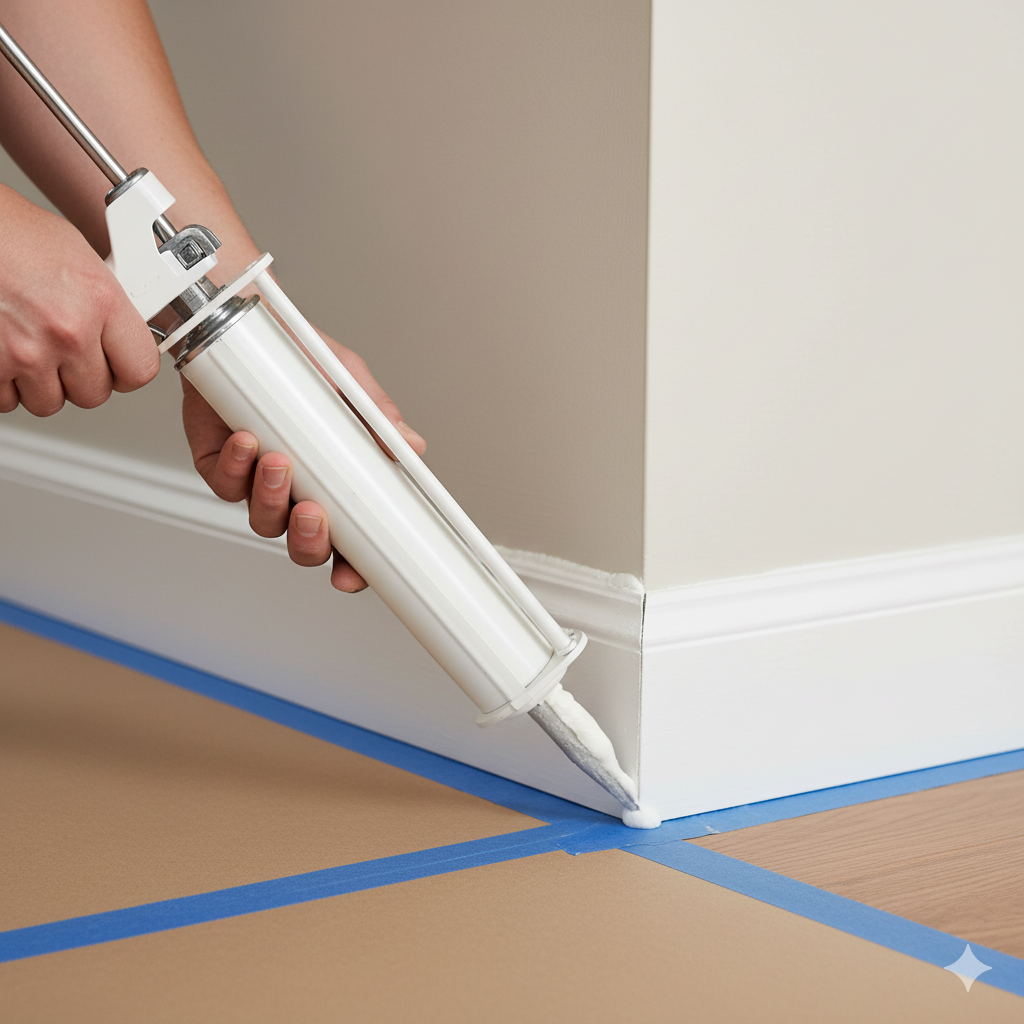
Applying painter’s tape along the top and bottom edges of the baseboard ensures neat, straight lines. This technique helps prevent smudging and excess caulk from spreading onto your wall or floor.
Professionals at Caulking Service New Jersey always use painter’s tape for accuracy and efficiency. It’s a small step that makes a huge difference in achieving a clean, crisp finish.
Step 3: Cut and Load the Caulk Tube
Cut the nozzle of your caulk tube at a 45-degree angle using a utility knife. Make sure the opening matches the size of the gap you’ll be filling. Then load the tube into the caulking gun and test a small bead to check the flow.
Steady pressure and control are key to an even application. Practicing on a piece of scrap material before starting can help you perfect your technique.
Step 4: Apply the Caulk Smoothly
Starting from one corner, run a steady bead of caulk along the gap between the baseboard and wall. Keep the gun at a consistent angle and apply even pressure for a smooth line.
After applying, use your finger or a damp cloth to smooth the bead and press it into the gap. This step not only enhances the look but also ensures a strong, airtight seal.
Step 5: Remove Tape and Let It Dry
Once done, remove the painter’s tape while the caulk is still wet to prevent tearing or uneven edges. Pull gently at a 45-degree angle to maintain the clean line.
Allow the caulk to cure for at least 24 hours before painting or cleaning. For a professional-grade result, Caulking Service New Jersey always recommends following the manufacturer’s drying instructions carefully. (Finest Finish)
Pro Tips for Perfect Baseboard Caulking
- Always clean and dry the surface before applying caulk.
- Use consistent pressure for a smooth bead.
- Work in small sections to prevent drying before smoothing.
- Keep a damp cloth nearby for quick cleanup of excess caulk.
These expert tips can help you achieve the perfect finish that looks seamless and lasts for years.
Frequently Asked Questions (FAQs)
1. What type of caulk is best for baseboards?
Latex-based caulk is best for interior baseboards since it’s flexible, easy to apply, and paintable. Silicone-latex blends are ideal for humid areas.
2. Should I paint the baseboards before or after caulking?
Always caulk first, then paint once it’s dry. This creates a smooth transition between the wall and baseboard for a flawless look.
3. How long should I wait before painting caulked baseboards?
Most latex caulks take about 24 hours to cure completely. However, check your caulk’s label for exact drying times before painting.
4. Can I caulk over old caulk?
While possible, it’s best to remove old caulk before reapplying. Fresh caulk adheres better to clean surfaces, preventing cracks and peeling.
5. How often should I recaulk baseboards?
Inspect baseboards every few years. Typically, re-caulking every 3–5 years keeps your home sealed and visually appealing.
Final Thoughts
Learning how to caulk baseboards is a valuable DIY skill that enhances your home’s beauty and longevity. With a few tools, patience, and practice, anyone can achieve smooth, professional-looking results that make a lasting impression.
For those who prefer a flawless, expertly done finish, Caulking Service New Jersey offers professional caulking services across the state. Our experts ensure precision, durability, and beauty — giving your home the care it deserves.