Expansion Joint Repair
Expansion joint repair is an important undertaking when preserving the structural integrity of buildings, bridges, parking garages, and industrial floors. Expansion joints will provide movement to take into consideration temperature changes, traffic loads, and environmental stress.
Failure of these joints may result in cracks, water leakages, and damage to the structure. Through the timely completion of expansion joint repair, property owners and contractors can restore the life of the concrete structures, avoid expensive damages, and provide safety to the users.
Importance of Concrete Expansion Joint Replacement
Replacement of the concrete expansion joints is required when the existing joints are aged, weathered, or overused. Expansion and contraction cannot be absorbed by the old/damaged joints, thus creating cracks in slabs of concrete and structural instability. Frequent replacement will maintain the flexibility of the joints and avoid spalling or fracturing of the concrete around them.
In the case of commercial and residential buildings, the timely replacement of concrete expansion joints prevents the expenditure of funds on their maintenance later in the life of the building and prevents the occurrence of emergency repairs.
Choosing the Right Sealant for Expansion Joints
Choosing the sealant is among the most important factors of expansion joint repair. Expansion joint sealant must be a durable and strong elastic material that is not affected by weather, chemical elements, or heavy traffic. The most commonly used sealants include polyurethane, silicone, and epoxy-based sealants, each being environmentally appropriate.
Silicone sealants are an example; they are appropriate when used on the exterior, where UV rays would compromise the sealant, and polyurethane, which is well-suited in a high-traffic scenario. The appropriate sealant will render the joint water-tight and capable of withstanding the forces of normal daily use.
Bridge Expansion Joint Repair – Methods and Best Practices
The maintenance and repair of bridge expansion joints are very specific and need special skills because the bridges undergo constant movement and high load requirements. Some of the common repair techniques are sealing, joint replacement, and installation of modular expansion joint systems.
Correct bridge expansion joint repair ensures proper flow of vehicles, water will not enter the bridge deck, and minimizes corrosion of steel reinforcements. The best practices, like the use of high-performance sealants and proper alignment of the structure, will guarantee the longevity of the outcomes and improved safety of the bridge users.
Parking Garage Joint Sealing for Long-Term Durability
Vehicles, water, de-icing salts, and temperature variations cause a lot of wear and tear on parking garages. It is necessary to seal joints in the parking garage to eliminate water leakage, reinforcement steel corrosion, and cracking of concrete slabs. It is found that effective sealing not only improves the longevity of the construction but also increases the safety of the drivers or pedestrians. The sealants used in the parking garage and the methods of application are of high performance to ensure that the joints used in the garage are flexible and can withstand all the adverse weather factors.
Industrial Floor Joint Repair for Heavy-Duty Surfaces
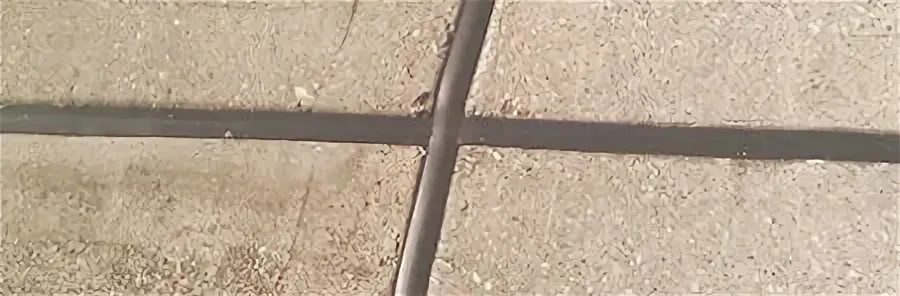
Industrial floors are forced to support an enormous load due to gantries, forklifts, and pedestrians. This environment can cause expansion joints to wear out over time, creating uneven surfaces, causing trips, and resulting in costly downtimes. Repair of industrial floor joints entails cleaning up of the damaged material followed by resealing with heavy-duty joint fillers and, in some instances, replacement of the joint. The design of the floor with strong materials that can resist industrial conditions will mean that the floor will support extreme conditions without affecting safety or performance.
Common Signs That Indicate Expansion Joint Damage
Early detection of damage can save the future cost of repairing it. Some of the common signs are cracks visible on concrete, joint material separation, water leakages, uneven surfaces, and sealant decay.
Damage in joints can also lead to noise or vibration when the vehicles are driving on parking garages and bridges. Early detection of such problems will provide enough time to repair the expansion joints in time, reducing the risks and prolonging the structure.
Step-by-Step Process of Expansion Joint Repair and Replacement
Expansion joint repair usually starts with a comprehensive inspection aimed at evaluating the amount of damage. Old sealant or damaged material in joints is identified and removed, and joints are cleaned. Then, a high-quality sealant or replacement joint system is used that has proper bonding and flexibility.
In concrete expansion joint replacement, the damaged area is cut away and replaced by a new material that has the capacity to support the loads and movements anticipated. The last process is the curing and quality check to make sure that the joint is watertight and sound.
Cost Factors in Expansion Joint Repair and Maintenance
Expansion joint repair cost depends on the type of structure, the size of the project, the materials and the workforce needed depending on the type of structure. Replacement of the concrete expansion joints can be more expensive than the resealing, but it is a long-term solution.
Repair of bridge expansion joints is usually more expensive because of specific materials and precautionary measures. Long-term costs can also be minimized by taking care of the building with regular maintenance and proactive sealing to prevent large-scale structural repairs.
Conclusion
Expansion joints repair is used to ensure stability, viability, and performance of a concrete structure, bridge, parking garage, and floor structure in an industry. With early damage repair, correct sealant, and adherence to the correct methods of repair, property owners can save unnecessary expensive repairs and prolong the life of their buildings. Regardless of the case of professional services or preventive maintenance, the important consideration should be expansion joint repair to guarantee stability and longevity.