
Understanding Roof Flashing Repair – Protecting Your Home from Leaks
Roof flashing repair is one of the most important aspects of ensuring the integrity of your structure. The coating of metal or a waterproof piece thinly applied around vents, chimneys, roof joints, valleys, and skylights is used to drive the water out of the roof in places that are likely to leak.
Flashing may also degrade over time due to weathering, corrosion, or bad installation, resulting in water intrusion and possible roof and interior damage. Frequent check-ups and timely roof flashing repair can save homeowners from expensive repairs, molds, and structural defects. What makes the flash go on and when to fix it is a question to answer, and you can keep your house safe and dry all year round.
Chimney Flashing Repair: How to Fix Leaks Around Your Chimney
One of the most prevalent forms of roof flashing repair is chimney flashing repair since chimneys are extremely vulnerable to the elements. The chimney and the roof surface are always prone to leaks. To remedy this, begin by examining the metal flashing surrounding the chimney to see whether it has cracks, rust, or openings.
Eliminate damaged areas and replace flashing or use high-quality roofing sealant to seal small cracks. With chimney flashing repaired correctly, the water will not creep into the roof structure and create an impact on the attic spaces or ceilings. The locking and sealing of the flashing around the bottom of the chimney is of importance in long-term protection.
Roof Valley Sealing: Essential Steps to Prevent Water Damage
Leakage is very susceptible in the roof valleys, which represent the point of two roof slopes, since water passes very rapidly at the joints. To avoid water from finding its way to your roof during heavy rain or snow, roof valley sealing is needed.
Start with the cleanup of the valley full of debris and old sealant, and examine damaged flashing or shingles. Use roofing cement or a special sealant to seal any gaps to make it watertight. Repair of valley roof flashing will not only avoid leakages but also make your roofing materials last longer, as it minimizes the signs of wear and tear caused by water.
Fix Leaking Roof Flashing: A Step-by-Step Guide
The repair of leaking roof flashing should follow a process that makes the repair process efficient and durable. The first step is to detect the cause of the leak, and it can be done by examining water spots, rotting shingles, or broken flashing. Additional steps include the removal of damaged flashing or cleaning up the available metal. Slap roofing sealant or new flashing, and ensure that it overlaps as an overlay to drive water out of the joint. Fasten the flashing in with roofing nails and seal uncovered edges with roofing cement to stop the leakage in the future. A step-by-step process is also a careful choice to keep in mind that the repair of roof flashing must take care of the present leak and avoid future problems.
Skylight Caulking and Flashing: Ensuring a Leak-Free Installation
Skylights are beautiful features of any house; however, when installed improperly, they cause leaks. Skylight caulking and flashing are very important elements to keep the roof dry. Check the flashing of your skylight, check cracks and gaps, and remove old and old-fashioned caulking.
Apply a good, weather-proof caulk along the edges, and see that the flashing is firmly in place. Skylight roof flashing repair needs to be properly done to make certain that water flows away from the window and does not cause any damage to the ceiling, wall, and insulation. An inspection and maintenance of skylight flashing will save you the cost of paying for high-level ceiling water damage.
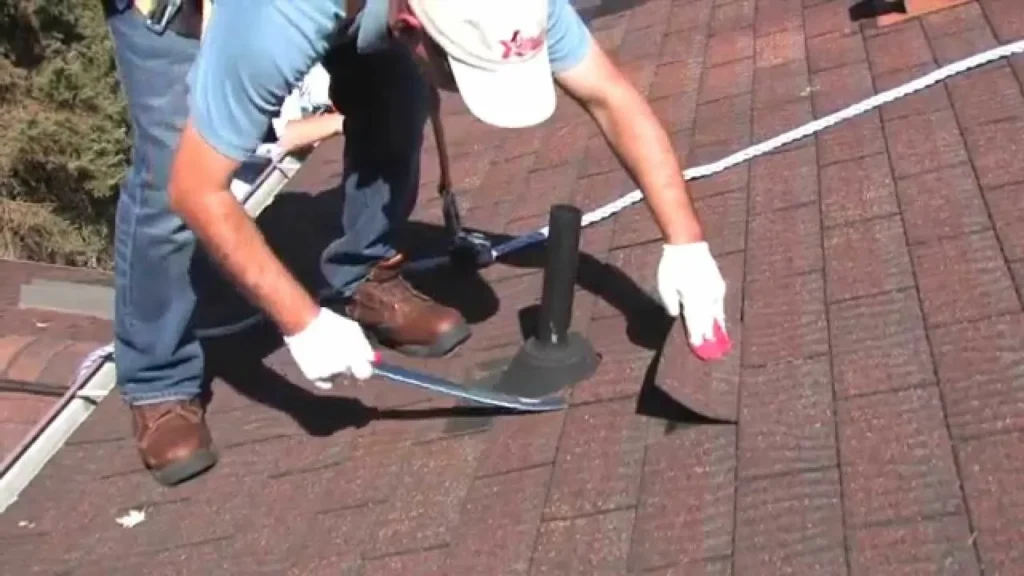
Vent Pipe Boot Sealing: How to Secure Your Roof Penetrations
Vent pipes are needed to ensure proper ventilation of the homes, but may be a common culprit of leaks unless sealed appropriately. The roof flashing repair that makes these roof penetrations waterproof is vent pipe boot sealing. Check the rubber or metal boot around the vent pipe for cracks and gaps.
Refit broken boots or roofing seals that are small. Make sure that the flashing has been well incorporated with other shingles so as to direct water away. You ensure that your attic and ceiling are not damaged by the water, but at the same time, your roof is well functional by securing your vent pipes.
Common Mistakes in Roof Flashing Repair and How to Avoid Them
Despite the effort, when some mistakes are made, roof flashing repair may go wrong. The mistake is most commonly the wrong flashing material type used, joints improperly closed or not removed, old flashing that is damaged, and the surrounding shingles overlooked. The second common mistake is over-reliance on caulking as a lifelong solution, which does not work after some time.
Avoid these traps, be it of good materials, good installation practices, and checking on your repairs at frequent intervals. Effective roof flashing repair requires planning and attention to detail so as to be effective and last long.
DIY vs Professional Roof Flashing Repair: What You Need to Know
Most of the cases may need professional skills, although some trivial roof flashing repairs may be managed by a layperson. Although a DIY roof flashing repair might be less expensive in the short run, it is associated with certain risks, such as improper installation, personal injuries, or making the leak even worse. Professional contractors who have been around long enough have the tools, equipment, and materials to work efficiently in repairing complex chimneys, valleys, skylights, and vents through flashing.
They are also able to identify hidden issues that may lead to leakage in the future. The decision on the repair of the roof by self or professional repair will, however, depend on the extent of the damage, accessibility of the roof, and degree of comfort in roofing. The priorities include safety and long-term outcomes; thus, it makes your roof dry and standing.